
MI Skin Dermatology Center: Melda Isaac, MD
Two Lafayette Centre
1133 21st Street NW, Suite 450
Washington, DC 20036
Phone: (202) 393-7546
Monday–Friday: 8:30 a.m.–4 p.m.
Rosacea
Rosacea often includes persistent redness on the face, most commonly on the nose and cheeks, swollen, red bumps on the face that resemble pimples, and swelling of the nose and cheeks due to dilated blood vessels. It is a genetically inherited, chronic disorder that is most common among middle-aged women with light skin, but it can affect men as well. It is important to see a board-certified dermatologist for a diagnosis and proper treatment, especially if your redness persists, blood vessels are visible, or bumps don’t respond to over-the-counter care.
At MI Skin Dermatology Center in Washington, DC, board-certified dermatologist Dr. Melda Isaac offers combines medical management and vascular laser selection to address redness patterns safely and strategically. Dr. Isaac has treated over 30,000 rosacea and facial redness cases since January 2000.
What Is Rosacea?
Rosacea is an inflammatory disease of the face, most commonly affecting the nose, cheeks, chin, and forehead. It may also be associated with an inflammation of the eyelids known as blepharitis. Over time, rosacea can cause the skin on the nose and cheeks to thicken, making it appear red and puffy. The inflammation gradually scars the skin, producing permanent redness of the face, particularly the cheeks and nose.
The exact cause of rosacea is not known, although there has been shown to be a hereditary disposition towards it. Rosacea flare-ups may coincide with stressful events, temperature (seasonal) changes, and hormonal fluctuations.
Treatment Designed
Exclusively for You
At MI Skin Dermatology, we believe your skin deserves more than just a menu of standard med spa treatments. Dr. Isaac crafts a personalized plan tailored to your unique goals and skin needs. Through in-depth skin assessments and years of expertise, treatments are layered and thoughtfully sequenced over time to amplify your skin’s health and radiance. This refined approach ensures you look and feel your best—now and for years to come.
Explore Customized TreatmentsRosacea Treatment Options
Although there is no permanent cure for rosacea, symptoms can be managed through various types of medical dermatology treatments, lasers, and lifestyle changes can be used in conjunction for the most effective treatment to reduce redness. Dr. Melda Isaac has focused expertise having treated more than 30,000 rosacea and facial redness cases since 2000.
Which Lasers Do You Use for Rosacea?
We have a variety of devices that can reduce redness and the frequency and severity of flushing associated with rosacea.
- BBL photofacial: Pulsed light directed at the problem area gradually reduces redness and photodamage.
- Intellitone: A safe, gentle, noninvasive laser that reduces redness and renews collagen in the skin.
- Vbeam® Perfecta: A pulsed dye laser that delivers yellow light, which blood vessels absorb. It includes a cooling system.
- DermaV: A 532nm laser that softens redness and rosacea symptoms, and treats sun damage on the face, neck, and chest. Its cooling system is similar to the V-beam’s and allows Dr. Isaac and her staff to safely treat at higher energy for better results.
Our team performs more than 500 V-beam and DermaV vascular laser treatments for redness each year.
How These Lasers Work
Vascular lasers and BBL use light energy to penetrate the skin and treat redness and discoloration caused by rosacea and sun damage. Blood vessels absorb the laser or light energy and collapse, and are then reabsorbed by the body. This reduces the appearance of redness and inflammation and leaves the skin with a smoother, healthier complexion.
Intellitone is a next-generation treatment that gently heats the dermis just under the skin to stimulate collagen production and to reduce redness and flushing. There is no pain involved with this procedure, and no downtime required either.
How Dr. Isaac Chooses the Right Laser
The differences among these devices are subtle but important. Dr. Isaac uses several lasers with different wavelengths to match superficial vessels, deeper vessels, skin tone, and treatment sensitivity.
“It’s not just about having a laser. It’s about understanding skin type, understanding the problem you’re treating, and then choosing the right wavelength, the right pulse width, and the right settings.”
Dr. Melda Isaac
What To Expect
BBL photofacials, V-beam, and DermaV treatments are gentle and usually take 2 to 5 sessions for optimal results. Intellitone may take up to 6 sessions. Downtime is minimal. Most patients resume everyday activities within a day. The number of sessions required will vary with the device, severity of your symptoms, treatment intensity, and individual patient factors.
Photodynamic Therapy
Photodynamic therapy (PDT) is another effective laser treatment for rosacea. PDT is a more intensive laser treatment that combines a topical solution called aminolevulinic acid, or ALA, with blue or laser light. The light activates the ALA and works to kill bacteria on the surface of the skin. This laser treatment has been shown to be effective in treating all manner of vascular facial conditions, including rosacea.
A Reputation Built on Results


Lifestyle Changes
The progression of rosacea can be slowed by avoidance of activities or foods that lead to a flushing response, such as:
- Emotional or physical stress
- Heavy exercise
- Extremely hot temperatures
- Ingestion of alcohol or spicy foods
Incorporating these lifestyle changes along with a laser treatment will lead to a vast improvement in the appearance of your rosacea. Your expert dermatologist will be able to formulate a treatment plan with you to reduce redness and leave you with rosacea-free skin for as long as possible. If your rosacea reappears, another laser treatment can take care of it.
Rosacea FAQ
Can rosacea be cured?
There is no permanent cure. Medical therapy, laser treatment, and trigger management control symptoms. Additional laser sessions can treat flare-ups.
Which laser is right for my rosacea?
Dr. Isaac chooses the appropriate vascular laser by matching wavelength, pulse width, and settings to your skin type, vessel depth, and sensitivity.
Is rosacea the same as acne vulgaris?
No. While both conditions may cause bumps and redness on the face, acne and rosacea are distinct conditions that require specialized treatments. Many patients with rosacea also suffer from acne vulgaris.
Schedule a Skin Care Consultation Today!
If you have been suffering from rosacea and wondering if there is any way to be rid of it, then you are in luck. Schedule a consultation at the MI Skin Dermatology Center in Washington, DC today to speak with an expert dermatologist about treatment options for your individual case. To find out more information about rosacea and how to treat it, call (202) 393-7546 to make your appointment!
About Melda Isaac, MD
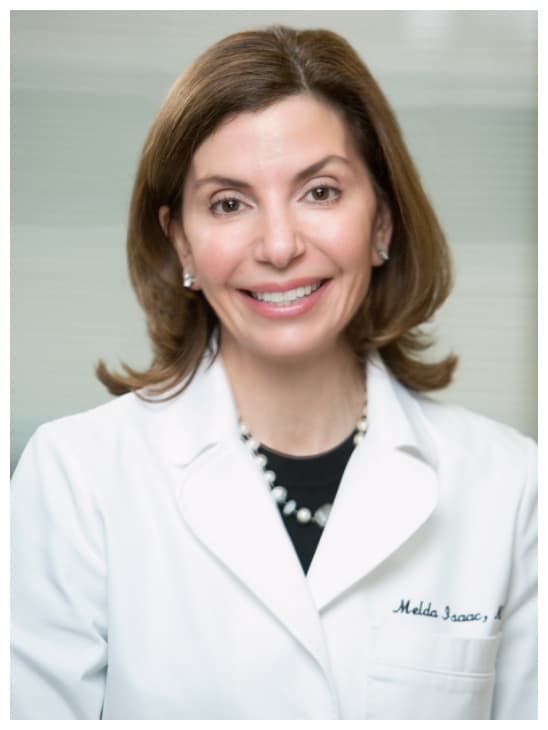
Dr. Melda Isaac is consistently recognized among the top dermatologists in Washington, DC. A board-certified dermatologist, she combines medical dermatology, aesthetic precision, and advanced technology, with specialized expertise in injectables, laser resurfacing, skin cancer care, acne, rosacea, and acne scar treatments.
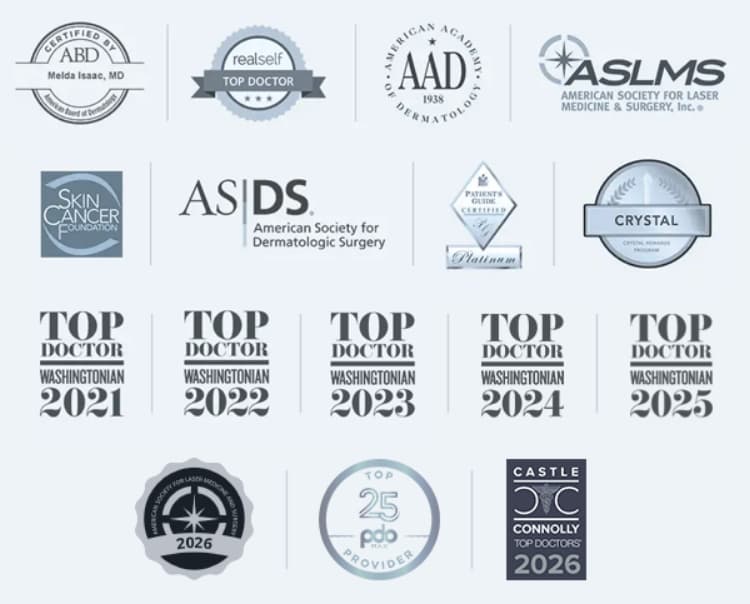
Credentials you can trust

Reviewed for clinical accuracy by Dr. Isaac on November 10th, 2026.